CCTV in Schools and Nurseries: Getting Safeguarding, GDPR and Practicality Right
Schools, nurseries and childcare settings are some of the most sensitive environments we install CCTV in — and also some of the most common. Parents want reassurance that their children are safe, staff want protection against false allegations, and site managers need to stop out-of-hours break-ins and vandalism. But CCTV in a childcare setting isn’t just “cameras plus a recorder.” It comes with its own set of rules, and getting them wrong can cause real problems.
Why the approach has to be different
A CCTV system for a warehouse or shop is designed almost entirely around security and evidence. In a school or nursery, you’re balancing that same need against safeguarding obligations, parental consent, and the fact that children are a legally protected category under data protection law. The Information Commissioner’s Office (ICO) treats footage of children with extra care, and Ofsted-registered settings are expected to have clear, written policies covering exactly how and why cameras are used.
Camera placement: what’s off-limits
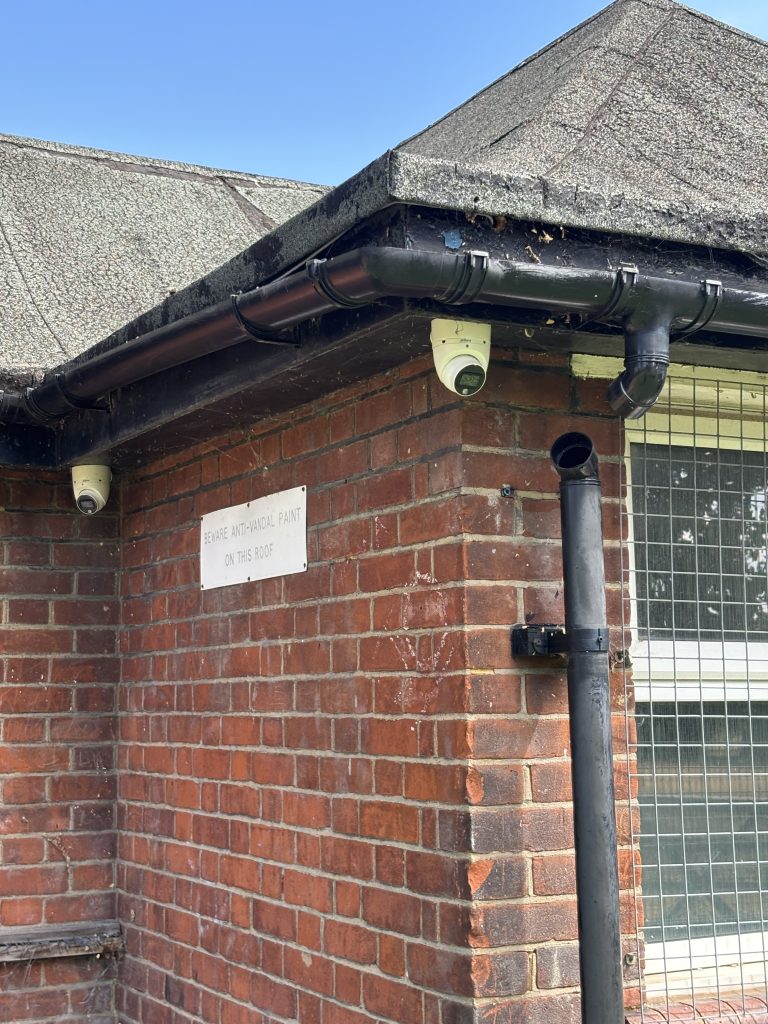
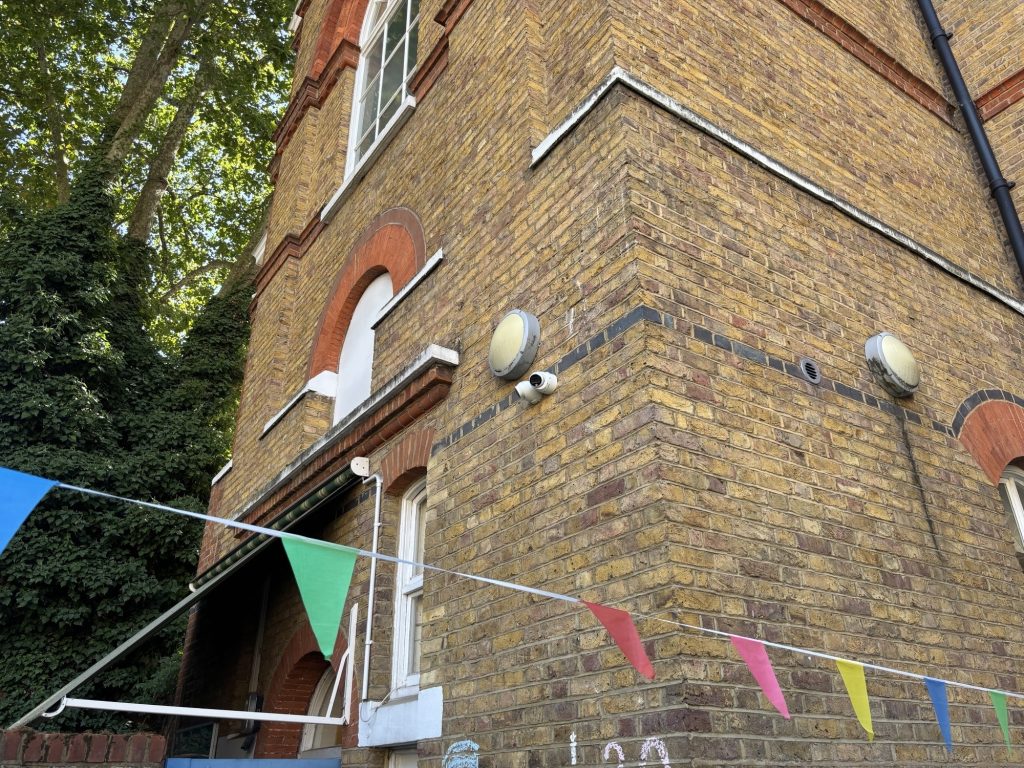
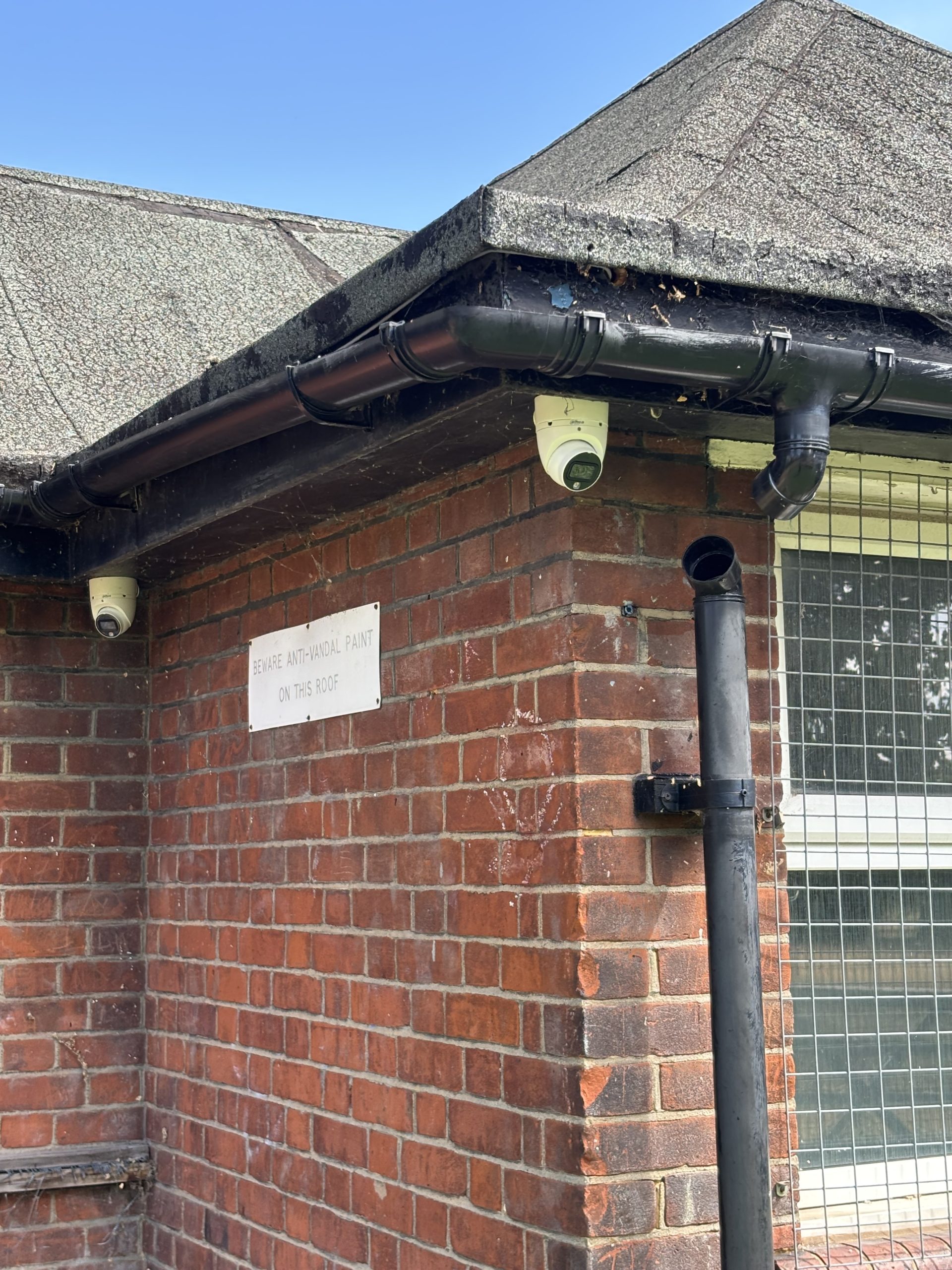
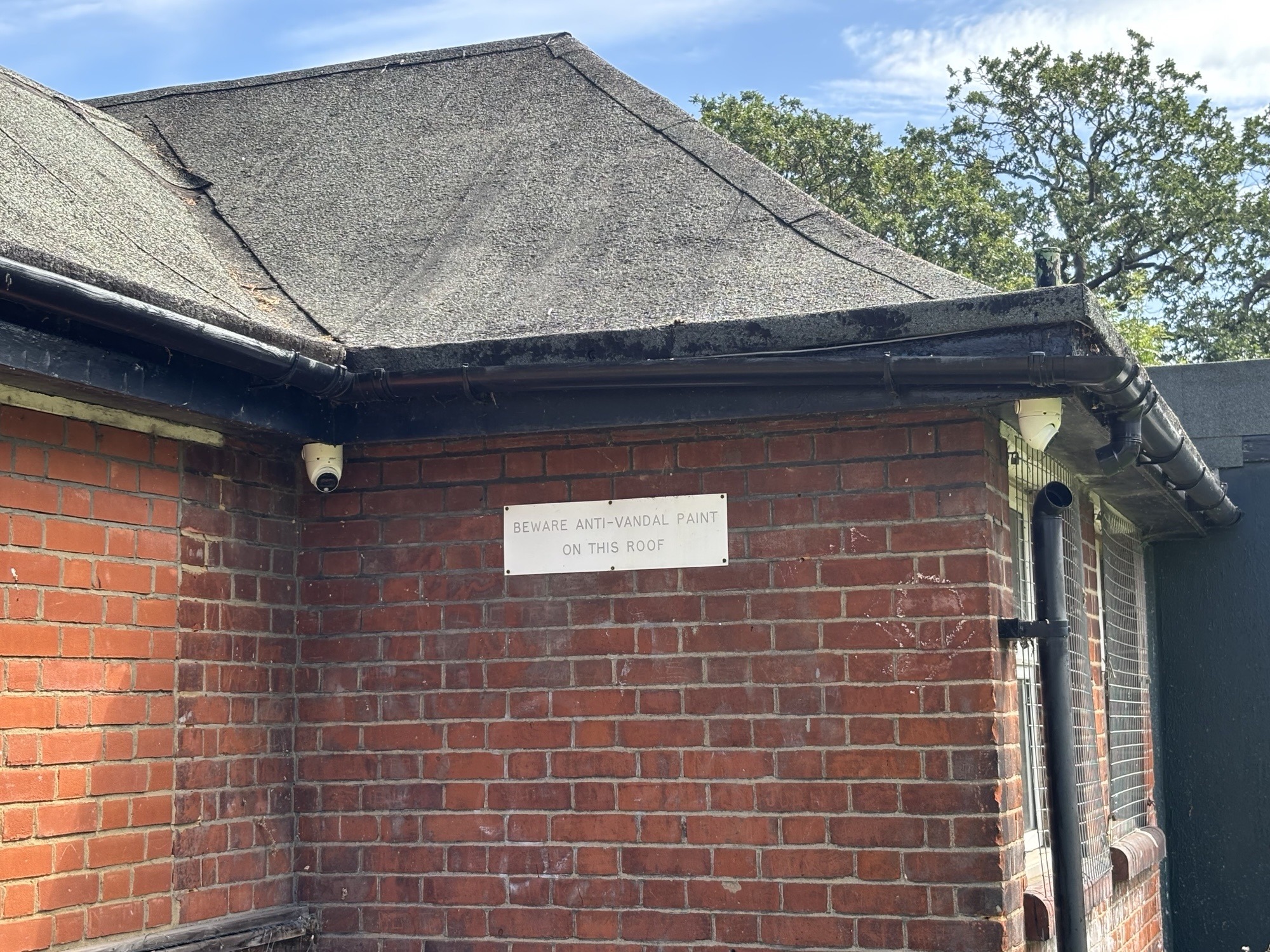
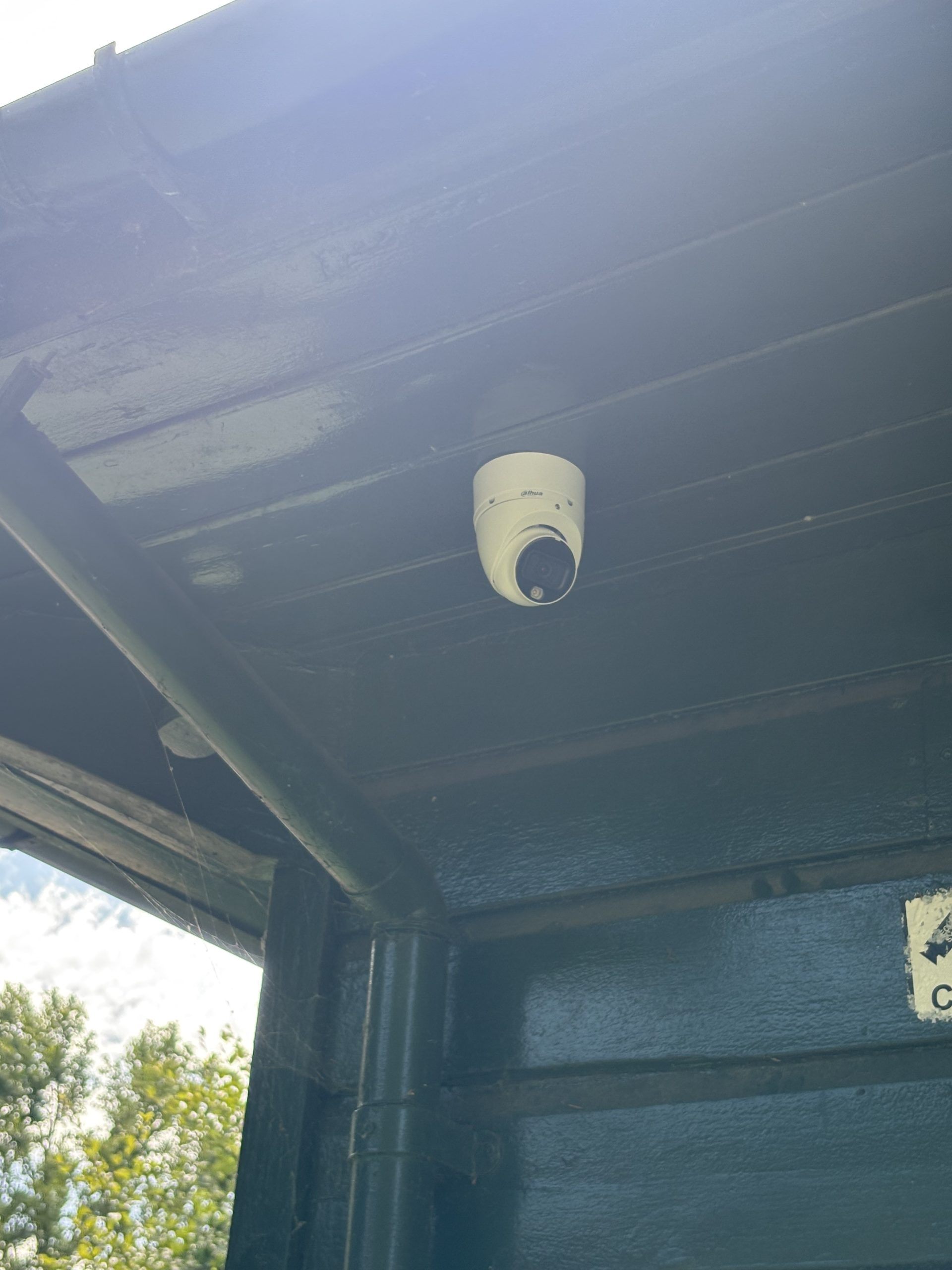
Entrances, car parks, perimeters, and communal corridors are all sensible places for cameras — they cover the risks (unauthorised access, deliveries, after-hours security) without capturing anything sensitive. Toilets, changing areas, sleep rooms, and anywhere nappies are changed should never be covered by CCTV, full stop. Where cameras do cover play or classroom areas — often requested by managers for safeguarding and behaviour-monitoring purposes — this needs to be clearly communicated to parents and staff, with a documented lawful basis for doing so.
GDPR, retention, and who gets access
Footage of identifiable children counts as personal data, so standard GDPR principles apply: collect only what you need, keep it only as long as you need it, and be able to explain your reasoning if asked. In practice, most childcare settings keep general footage for a relatively short rolling period (commonly around 30 days) unless a specific incident means footage needs to be retained for longer as evidence. Access should be restricted to a named few — typically the manager and designated safeguarding lead — and every time footage is reviewed for a safeguarding concern, that review should be logged: who looked at it, when, and why.
Why the installer matters as much as the equipment
Because of the sensitivity involved, we always recommend using a professional, vetted installer for education and childcare sites — ideally one whose engineers are DBS-checked, given they’ll be working around children and in areas most contractors never enter. A good installer will also help you think through placement, signage, and retention policy up front, rather than leaving you to work it out after the system’s already gone in.
Getting it right from day one
Done properly, CCTV in a school or nursery reassures parents, protects staff from unfounded complaints, and gives management the evidence they need if something does go wrong — without creating a data protection headache. If you’re specifying a new system or reviewing an existing one, it’s worth getting a proper site survey and a written policy in place before a single camera goes up.