BS 5839 Explained: What UK Fire Alarm Regulations Actually Require of Your Business
If you own, manage, or are responsible for a commercial building in the UK, you’ve probably seen “BS 5839” mentioned in a fire risk assessment, an insurance policy, or a compliance certificate. But what does it actually mean, and what does it require of you in practice? This guide breaks it down in plain English.
What is BS 5839?
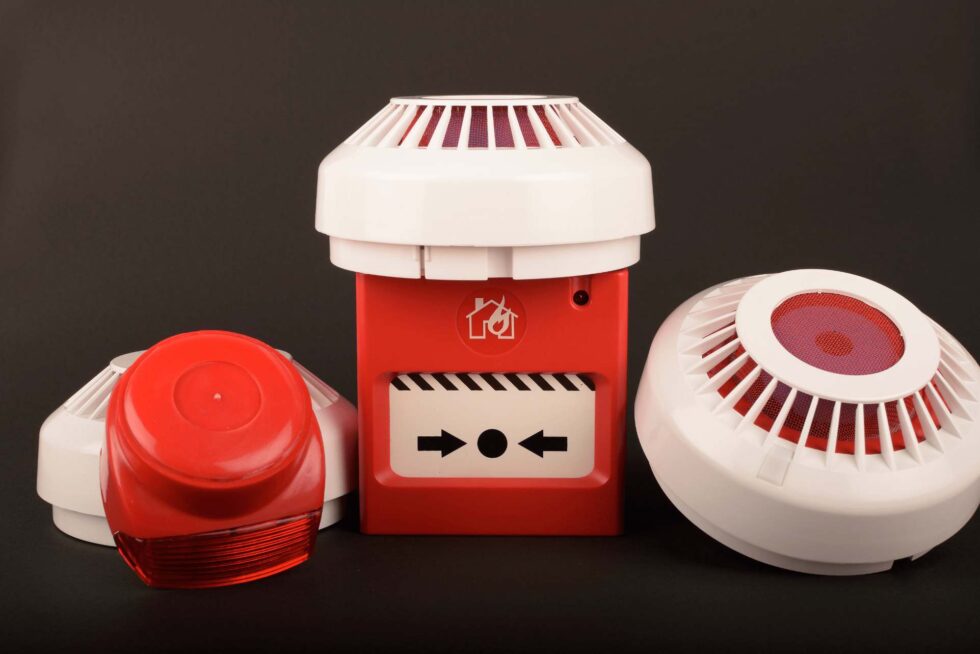
BS 5839 is the British Standard covering fire detection and fire alarm systems. Part 1 of the standard deals with non-domestic premises, and it sets out the code of practice for how fire alarm systems should be designed, installed, commissioned, and maintained. It isn’t itself the law, but it’s the recognised benchmark that fire authorities, insurers, and courts use to judge whether a system is fit for purpose.
The actual legal duty comes from the Regulatory Reform (Fire Safety) Order 2005 (often shortened to the FSO), which applies to virtually all non-domestic premises in England and Wales — offices, shops, warehouses, schools, healthcare buildings, and the communal areas of blocks of flats. The FSO requires the “responsible person” for a building to carry out a fire risk assessment and put in place “appropriate” fire detection and warning arrangements. BS 5839 is how you demonstrate that your system meets that requirement.
What does BS 5839 actually cover?
The standard sets out categories of fire alarm system based on the level of protection needed, ranging from systems designed purely to protect escape routes (category M, manual systems, up to full automatic detection covering an entire building, category L1). Which category applies to your building depends on factors like:
- The size and layout of the premises
- How the building is used (retail, office, industrial, sleeping accommodation, etc.)
- The number of people on site and how quickly they can evacuate
- Fire risks specific to your business, such as flammable materials or complex escape routes
Beyond design, BS 5839 also covers installation standards, commissioning checks, and — critically — ongoing servicing and testing. A system that was compliant on day one but hasn’t been serviced since is not a compliant system.
What “compliant” actually looks like day to day
For most businesses, meeting BS 5839 in practice means:
- A documented fire risk assessment that identifies the correct category of system for your premises
- Professional installation by a competent, qualified installer, ideally one who can certify the work against the standard
- Weekly testing of the system by a nominated person on site (usually as simple as testing a call point)
- Six-monthly professional servicing by a qualified engineer, as a minimum
- Up-to-date logbooks recording tests, faults, and maintenance, which fire authorities and insurers will ask to see
Why this matters beyond ticking a box
Getting this wrong isn’t just a paperwork issue. Non-compliance with the Fire Safety Order is a criminal offence, and enforcing authorities can issue improvement or prohibition notices, prosecute, and impose unlimited fines in serious cases, with custodial sentences possible for the most severe breaches. Insurers may also decline claims if they find a fire alarm system wasn’t properly maintained or wasn’t appropriate for the risk. Beyond the legal exposure, an under-specified or poorly maintained system simply won’t do its job if there’s ever a real fire — which is the actual point of all of this.
How Watchman can help
Every one of our fire alarm installations is designed and installed to BS 5839, and delivered by DBS-checked, fully qualified engineers with over 20 years of combined industry experience. We’ll assess your premises, recommend the right category of system for your specific building and risk profile, and set up a servicing schedule that keeps you compliant year-round — with 24/7 call-out support if something needs attention outside office hours.
If you’re not sure whether your current system meets BS 5839, or you’re installing fire detection for the first time, get in touch for a free, no-obligation assessment.