Dome, Bullet or Turret? Choosing the Right CCTV Camera Type for Your Property
Once you’ve decided to install CCTV, the next question is usually the one people find hardest: which type of camera do you actually need? Manufacturers make dozens of models, but almost all commercial and domestic CCTV cameras fall into three main shapes — dome, bullet, and turret (also called “eyeball”). Each has genuine strengths, and the right choice usually comes down to where the camera is going and what you’re trying to achieve.
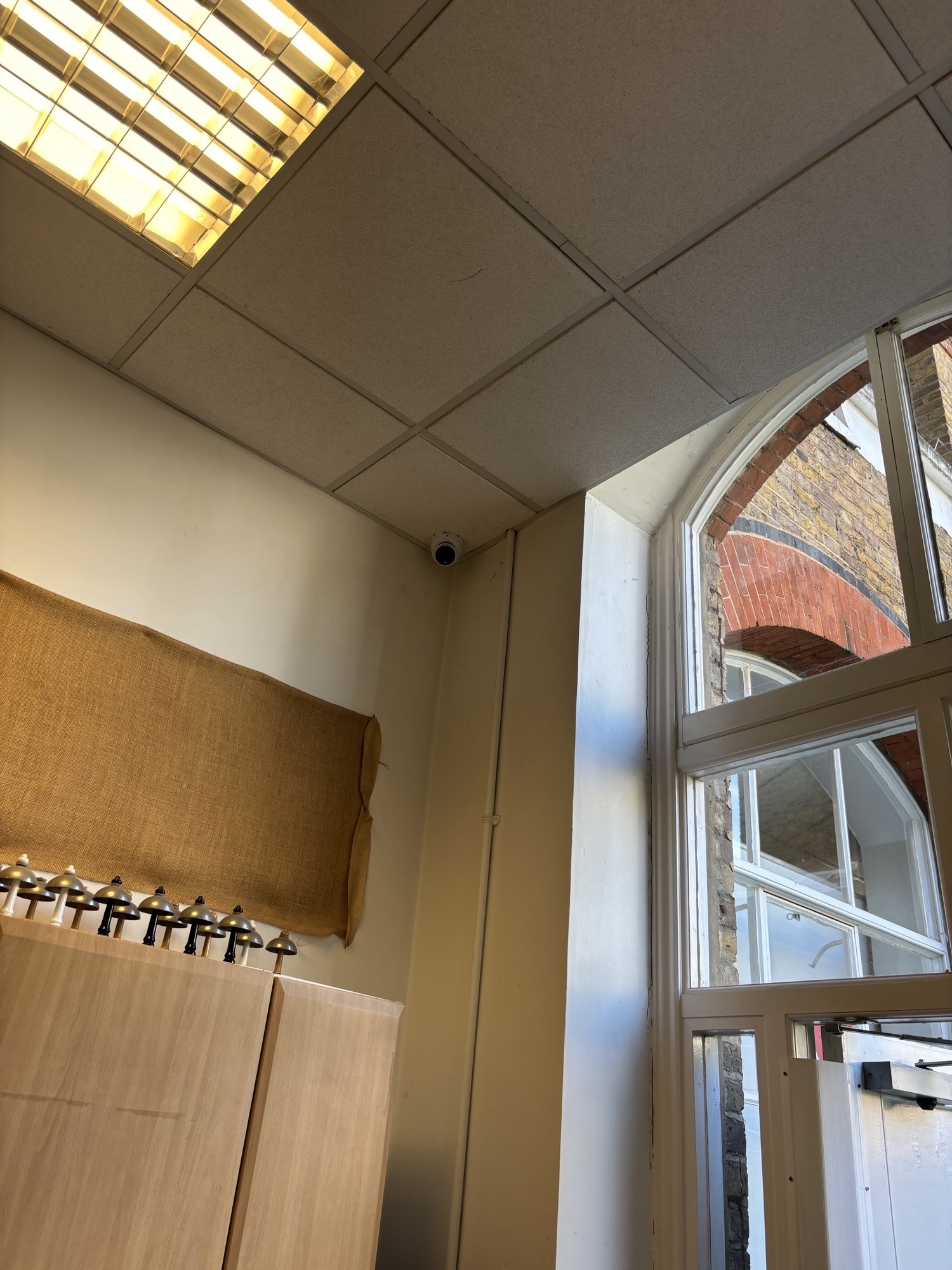
Dome cameras
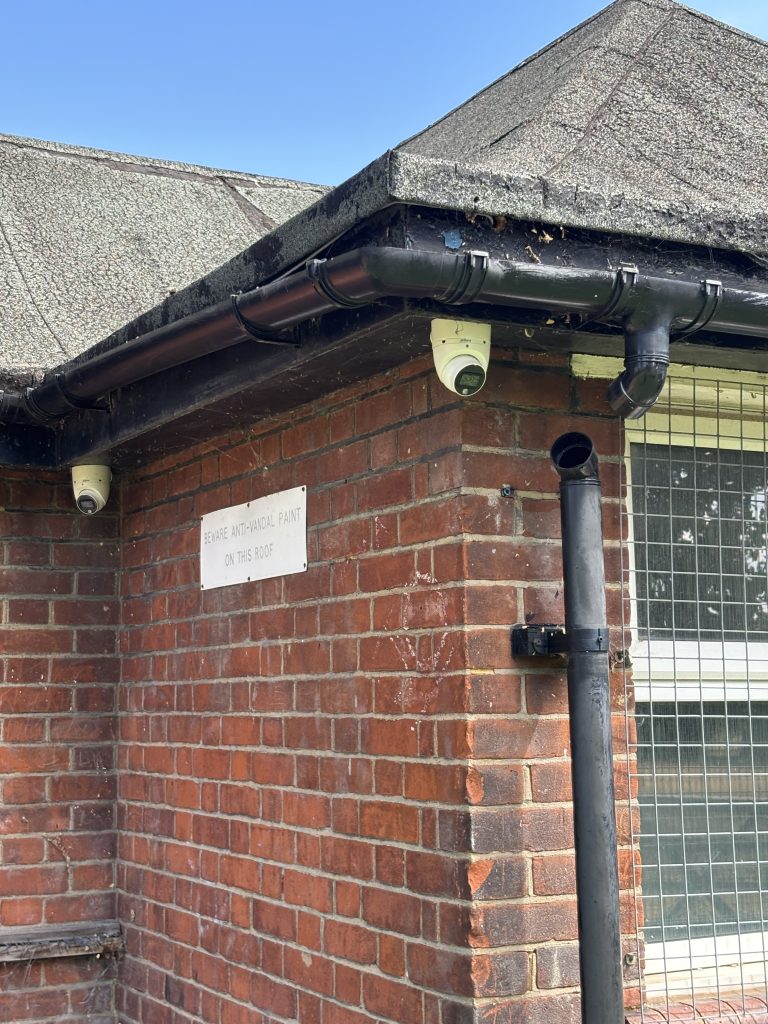
Dome cameras sit in a rounded, low-profile housing, usually mounted on ceilings or under eaves. Their biggest advantage is discretion — it’s hard to tell which way a dome camera is pointing, which acts as a deterrent because potential troublemakers can’t be sure they’re out of shot. The housing also makes them more resistant to tampering and weather, which is why you’ll see them so often in retail units, receptions, and covered walkways.
Bullet cameras
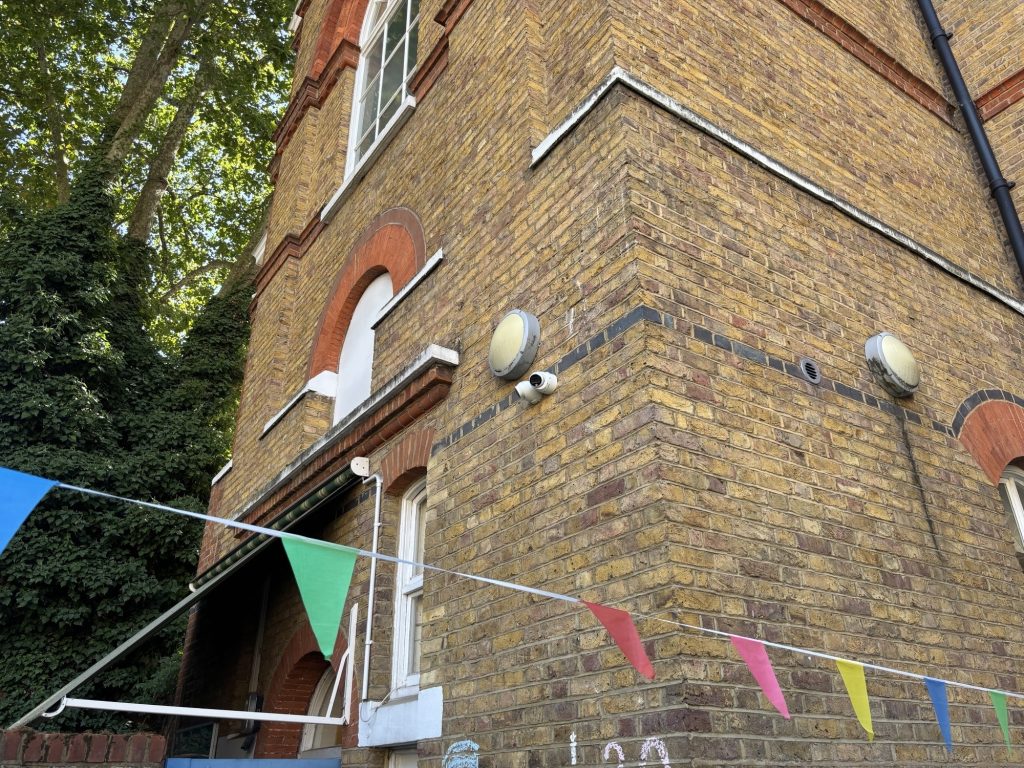
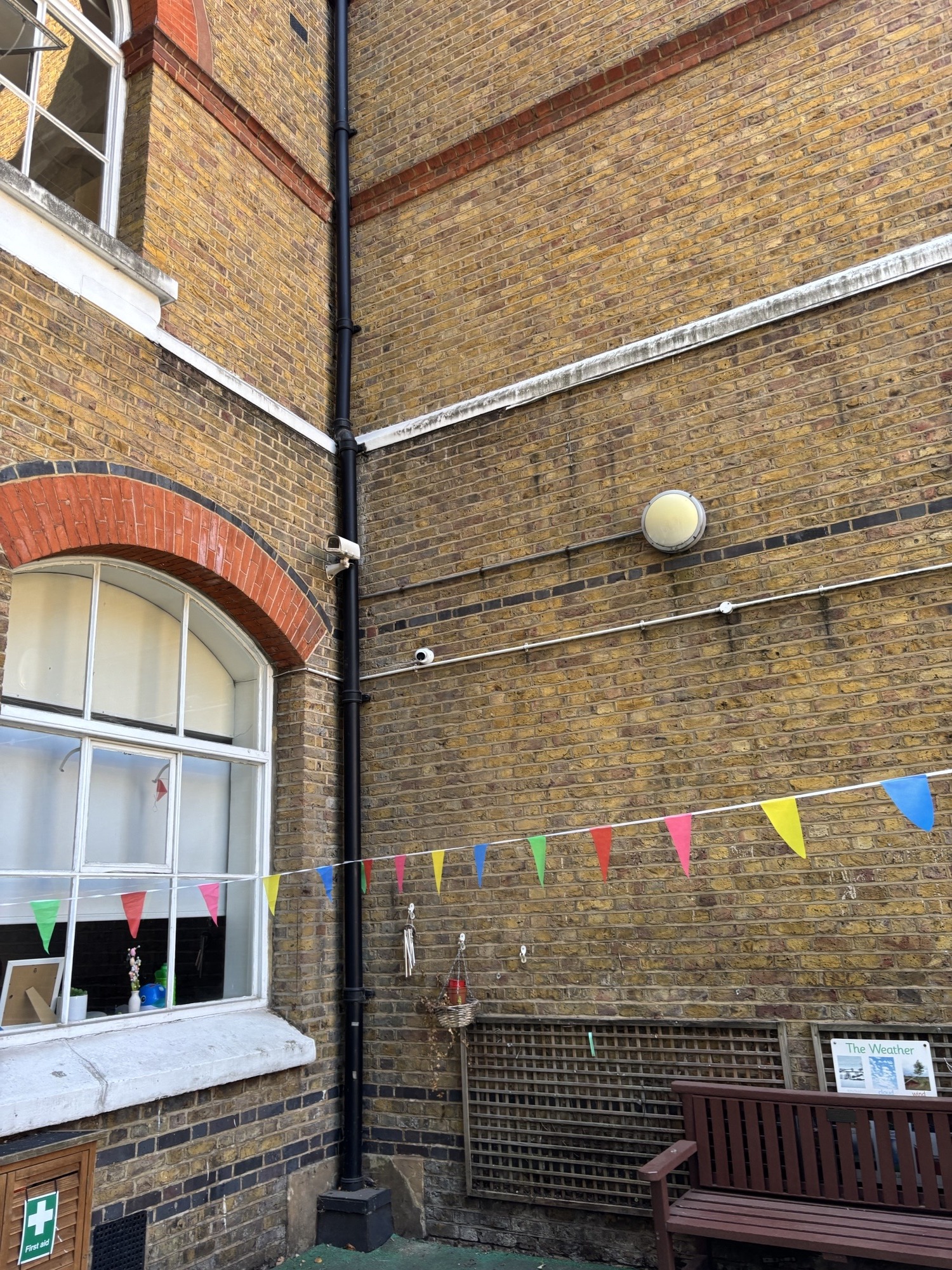
Bullet cameras are the cylindrical, unmistakably “camera-shaped” units you’ll see mounted on brackets along walls and fences. They’re highly visible by design — a strong visual deterrent — and typically offer longer viewing distances than dome cameras, which makes them well suited to car parks, perimeters, and long approaches where you need to identify a vehicle or person from some way off. Being externally mounted on a bracket also makes them straightforward to aim and re-aim during a site survey.
Turret (eyeball) cameras
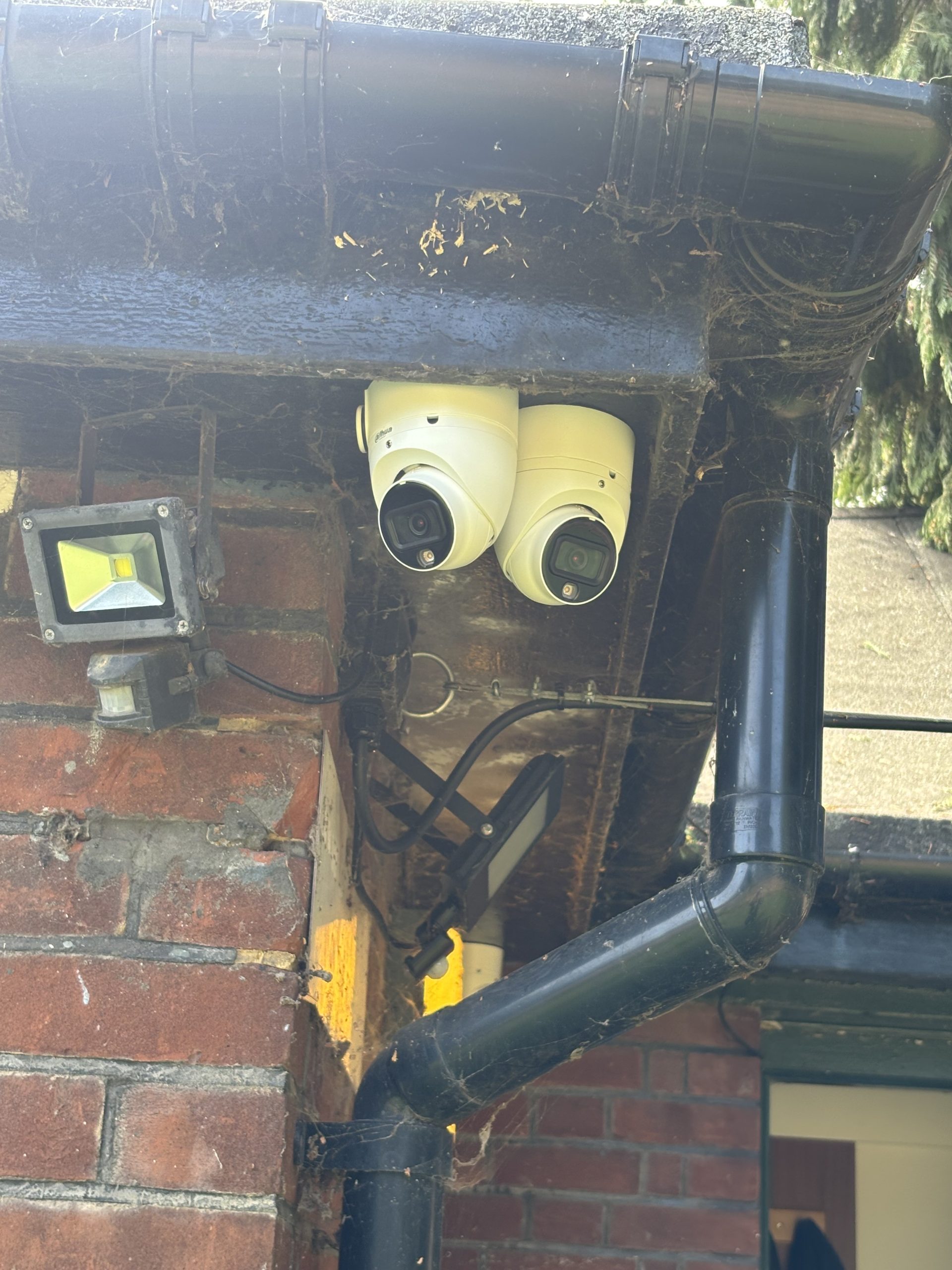
Turret cameras are a hybrid: a ball-and-socket lens housing set into a compact base, giving much of the flexibility of a bullet camera in a smaller, more discreet unit. They’ve become one of the most popular choices for both commercial and residential installs over the last few years, largely because they’re easy to angle precisely during installation, resist glare well, and look tidy mounted under eaves or on interior corners.
So which one do you need?
As a rough guide: use dome cameras where discretion and vandal-resistance matter most (reception areas, retail floors, covered public areas); use bullet cameras where visible deterrence and long-range coverage matter most (perimeters, car parks, loading bays); and use turret cameras where you want precise, easy-to-adjust coverage of entrances, walkways, and building corners without a bulky housing. Most commercial sites end up with a mix of all three, positioned according to what each specific area needs rather than a single camera type used everywhere.
Beyond the shape
Camera shape is only one part of the specification — resolution, low-light performance, and whether the unit is PoE (Power over Ethernet) or wireless matter just as much. A proper site survey will look at all of these together, rather than starting from “which camera looks right” and working backwards. If you’re planning an installation or upgrade, that survey is the best place to start.